
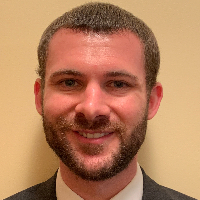
Kendrick Kwoczalla, LMHC
Indiana · 16 years in practice
Kendrick Kwoczalla is a licensed mental health counselor (LMHC) practicing in Indiana with 16 years of professional experience.
License and registration
- LMHC, Indiana
- 39002202A · expires April 2026
- NPI
- 1932349677 · national provider identifier
- Years in practice
- 16
- Languages
- English
Details are as listed on the therapist's public professional profile. You can check the license with the issuing state board, and the NPI with the national registry.
About Kendrick
Kendrick Kwoczalla is a licensed mental health counselor (LMHC) practicing in Indiana with 16 years of professional experience. He focuses on helping people who feel overwhelmed by anxiety, stress, trauma, parenting challenges, low self-esteem, and depression. Kendrick uses straightforward talk, practical skills, and a warm sense of humor to make hard conversations easier.
He sees many problems as learned ways of coping that no longer serve a person. Kendrick teaches new skills and helps clients test different beliefs so they can break unhelpful patterns.
Background and approach
Sessions combine practical exercises, goal-focused work, and moments to reflect on what really matters. Kendrick draws on Cognitive Behavioral Therapy to identify thinking patterns that keep problems going. He also uses Eye Movement Desensitization and Reprocessing (EMDR) and trauma-focused methods when past events are contributing to current distress.
Solution-focused techniques help people set short-term goals and track progress. In session he aims to build a trusting, low-judgment relationship. He uses plain language, occasional humor, and direct feedback to keep work grounded and relatable.
People can expect both emotional processing and concrete steps to try between meetings. Kendrick works with concerns such as abandonment, attachment issues, body image, chronic illness or pain, communication problems, dissociation, divorce and separation, domestic violence, family-of-origin issues, fatherhood concerns, first responder issues, and feelings of guilt or shame. He offers a steady, practical approach for people ready to change.
Focus areas and approaches
Everything Kendrick lists on their public professional profile, in their own terms.
- Stress, Anxiety
- Trauma and abuse
- Parenting issues
- Self esteem
- Depression
- Abandonment
- Attachment issues
- Body image
- Chronic pain, illness, and disability
- Communication problems
- Coping with natural or human-caused disaster
- Dissociation
- Divorce and separation
- Domestic violence
- Family of origin issues
- Family problems
- Fatherhood issues
- First responder issues
- Forgiveness
- Guilt and shame
- Impulsivity
- Isolation / loneliness
- Life purpose
- Men's issues
- Veteran and Armed Forces Issues
- Mood disorders
- Obsessions, compulsions, and OCD
- Panic disorder and panic attacks
- Phobias
- Post-traumatic stress
- Sexual assault and abuse
- Sexuality
- Social anxiety and phobia
- Workplace issues
- Young adult issues
Approaches Kendrick names
- Eye Movement Desensitization and Reprocessing (EMDR)
- Cognitive Behavioral Therapy (CBT)
- Solution-Focused Therapy
- Trauma-Focused Therapy
Naming an approach is not evidence of training in it. This directory copies what each therapist lists and does not check training records.
Online support
Online approaches for trauma and practical change
Many of Kendrick's methods translate well to remote sessions. Cognitive Behavioral Therapy (CBT) focuses on identifying unhelpful thoughts and testing new behaviors to reduce anxiety and depression. It uses short exercises and homework to build new habits that can be practiced between sessions.Eye Movement Desensitization and Reprocessing (EMDR) is used when past events continue to cause distress. In simple terms, EMDR guides attention while recalling difficult memories so those memories feel less overwhelming and new perspectives can form. Trauma-focused therapy looks directly at how past harm affects present life and teaches coping tools to reduce intense reactions.
Choosing the right approach is a collaborative process. Kendrick will talk with each person about their goals, symptoms, and comfort level, then recommend options and adjust methods over time. The plan can change as progress is made and new needs emerge.
Online sessions are offered by video calls, phone sessions, live chat, and text-based messaging. Video works well for full conversation and visual cues, phone is useful for lower bandwidth or when being on camera isn’t ideal, live chat and messaging support brief check-ins or ongoing check-ins between appointments. These formats offer flexibility to fit appointments into work, caregiving, or other busy schedules.
We will earn a commission if you sign up through our link, at no cost to you. It does not change what you pay or the order of the listings.
Questions people ask
What concerns does Kendrick commonly address?
Kendrick works with stress, anxiety, trauma and abuse, parenting challenges, self-esteem, and depression. He also helps people with issues like abandonment, attachment, body image, chronic illness or pain, communication problems, and family-of-origin struggles.
How would you describe his therapy style?
He uses plain language, practical exercises, and a warm sense of humor. Sessions mix emotional reflection with hands-on skills to try between meetings.
What is his background and experience?
Kendrick has 16 years of professional experience working in mental health settings. That experience informs a direct, skills-focused approach to common and complex concerns.
What credentials and location apply?
He is a licensed mental health counselor, LMHC, licensed in Indiana. Sessions are provided from his Indiana practice.
Can I meet in languages other than English?
Sessions are offered in English. International clients are not currently accepted.
Which session formats are available?
He offers video calls, phone sessions, live chat, and text-based messaging to fit different schedules and needs.
How does payment and cost work?
Cost varies with location and therapist availability. Sessions use a subscription model that can be canceled at any time.
What do I do to get started?
Select the Start Therapy button, complete the short matching questionnaire, and schedule sessions according to therapist availability.
More therapists in Indiana
See allSheri Bell-O'Gara
LCSW
Practical trauma-informed care with compassion
- Stress, Anxiety
- Trauma and abuse
- Grief

Maria Wilson
LCSW
Practical, compassionate help for trauma and life change
- Stress, Anxiety
- Relationship
- Family

Rene Elsbury
LCSW
Practical, compassionate therapy for life’s challenges
- Stress, Anxiety
- Family
- Trauma and abuse

Andrew Miller
LICSW, LCSW
Compassionate practical therapy for everyday life
- Stress, Anxiety
- Family
- Trauma and abuse
Is this your profile?
Ask us to correct details or take the page down.
Contact us