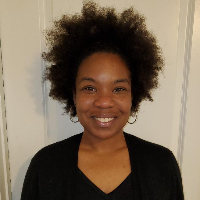
Asyia Hall
LCSW
Compassionate, practical care for anxiety and trauma
- Stress, Anxiety
- Trauma and abuse
- Grief
Clinical social work directory
456 therapists list foster care among the things they work with. All offer sessions online, and every profile shows the registering body, the membership number and when it runs to.
This page lists therapists who indicate a focus on foster care, including clinicians who list EMDR among their approaches. Browse the listings below to compare focus areas, approaches, credentials and languages.
LCSW
Compassionate, practical care for anxiety and trauma
AASW
Practical, compassionate counselling for everyday challenges
LMFT, LCMFT
Helping people break painful relationship patterns
BACP
Compassionate relational counselling for change
AASW
Practical, culturally aware mental health support
BACP
Experienced counsellor for trauma and life change
LMHC
Calm, practical support for life and trauma
NY Psychoanalyst
Experienced New York psychoanalyst blending skills and depth
LIMHP
Practical, collaborative care for stress and trauma
BACP
Practical, nature-informed counselling and support
LPC
Compassionate, practical counseling for life changes
LPC
Compassionate, practical therapy for real-life struggles
LCSW
Practical, compassionate help for trauma and life change
LCSW
Compassionate, practical therapy for life challenges
LCPC
Experienced counselor focused on trauma and life change
BACP
Compassionate, practical counselling for trauma and anxiety
HCPC
Calm, practical care for emotional difficulty
ACA
Experienced ACA counsellor helping with trauma and stress
NCPS
Compassionate counselling with practical tools
LPC
Calm, practical support for life’s hard moments
LCSW
Experienced LCSW focused on trauma and relationships
LCSW
Experienced LCSW helping people heal and cope
LMHC
Warm, practical support for trauma and life change
NCPS
Compassionate practical therapy for stress and trauma
LISW
Compassionate, practical therapy for life changes
BACP
Gentle, mindful support for difficult moments
LMHC
Calm, practical support for trauma and anxiety
NCPS
Practical online therapy for life’s big challenges
LCSW
Compassionate LCSW focused on trauma recovery
MD, LCSW-C, LCSW
Seasoned clinician blending medical insight and social work
BACP
Person-centred counsellor using practical therapies
LPC
Compassionate counselor for trauma and life change
LCPC
Compassionate guidance for changing self-talk
BACP
Calm relational and trauma-informed counselling
BACP
Experienced integrative therapist with health background
LCSW
Compassionate clinician focused on practical growth
NCPS
Practical, integrative counselling for everyday challenges
BACP
Calm, practical therapy for life’s difficult moments
Some links on this page are partner links. We will earn a commission if you sign up through one, at no cost to you. It does not change what you pay or the order of the listings.
Foster care is a system designed to provide temporary homes and support for children and youth who cannot remain safely with their birth families. The circumstances that bring a child into foster care vary widely - from neglect and household instability to parental substance use or incarceration - and so do the experiences of the young people and caregivers involved. Placement changes, disruptions in school, separation from siblings and the emotional complexity of loss and loyalty can leave lasting impressions on behavior, relationships and self-perception.
If you have lived in foster care, parent a child who is in care, or work with foster families, you may notice a mix of resilience and ongoing difficulties. Emotional responses can include grief, anxiety about relationships, mistrust of adults and a heightened vigilance in social settings. Even when material needs are met, the experience of being in care can shape how a person understands safety, attachment and identity. Recognizing these common threads can help you see why therapy tailored to foster care experiences often focuses on rebuilding trust, processing loss and strengthening skills for managing relationships and transitions.
Deciding whether to seek therapy related to foster care is a personal choice, but there are recognizable signs that such support can be helpful. You might notice persistent difficulty forming close relationships, repeated school or work disruptions, or strong reactions to reminders of past placements. Behavioral signs in youth can include withdrawal, anger outbursts, avoidance of caregivers, or trouble concentrating. Adults who experienced foster care as children sometimes find themselves repeating patterns in parenting or struggling with emotional numbing, which can feel isolating.
Therapy can also be a good fit if you are dealing with stress related to reunification efforts, adoption, guardianship or ongoing contact with birth family members. You may be navigating complex legal and social systems and need a space to talk through decisions and learn coping strategies. If attachment concerns, trouble trusting professionals or repeated placement transitions make it hard to feel settled, specialized therapy that understands foster care dynamics can provide a focused place to explore those experiences and develop practical supports for daily life.
When you begin therapy that focuses on foster care experiences, the first sessions typically involve getting a clear picture of your history and current concerns. A therapist will ask about placement history, family relationships, schooling, legal context and what has helped or made things harder in the past. You can expect the pace to be collaborative, letting you set goals - whether that means managing intense emotions, navigating reunification, improving relationships with caregivers or building skills for stability.
Therapy often blends talking through painful memories with concrete skill-building. You may work on regulating emotions, improving communication with caregivers or preparing for transitions like moving to a new placement or adulthood. For children and adolescents, sessions may include caregivers when appropriate, focusing on parenting strategies and consistent routines that support attachment and behavior. For adults, therapy may address the long-term effects of placement and separation, helping you build a coherent narrative about your past while developing tools to support relationships and daily functioning in the present.
Therapists who work with foster care often draw on a variety of approaches, tailoring them to a person’s age, needs and goals. Some clinicians emphasize attachment-focused work to repair relational ruptures and strengthen caregiver-child bonds. Others may incorporate trauma-informed techniques that help you process distressing memories and reduce the intensity of emotional reactions. Therapy can also include skills-based work such as emotion regulation, problem-solving and social skills training to address practical challenges in school, work and family life.
It is common to find therapists who list EMDR among their approaches, and you may encounter clinicians who describe using narrative, family systems, cognitive-behavioral or experiential methods. Because the foster care experience intersects with legal and educational systems, therapists often collaborate with caseworkers, schools and caregivers to coordinate supports. When reviewing profiles, focus on how a therapist describes their approach to attachment, trauma and caregiver involvement rather than assuming any particular approach guarantees results. The best match is usually a clinician whose stated methods align with your goals and who demonstrates an understanding of foster care dynamics.
Online therapy offers practical options for people connected to foster care, especially when access to specialized clinicians is limited locally. Virtual sessions can reduce travel time, allow consistent contact through transitions, and make it easier to involve multiple parties - such as caregivers, family members and caseworkers - when appropriate. If you choose online work, you will typically meet through video or phone, and sessions can be scheduled to fit around school, work and case meetings. Many people find the convenience helpful when coordinating care across placements or regions.
Choosing the right therapist involves looking beyond a single label. Start by reading therapist profiles to learn about focus areas, approaches and any experience they describe with foster care situations. Consider whether you prefer someone who emphasizes attachment repair, trauma processing, parenting support or practical skills. Languages spoken and relevant credentials may matter if you need culturally responsive care or clinical expertise for specific age groups. It can help to prioritize therapists who explicitly mention working with foster families, reunification, adoption transitions or youth aging out of care. When you contact a therapist, think about asking how they involve caregivers, how they handle coordination with schools or caseworkers, and what a typical course of work looks like for someone in your situation. These questions focus on fit and approach rather than operational details like scheduling.
Finding the right match can take time, and it is okay to look through several profiles before deciding who to reach out to. Pay attention to the language a clinician uses - whether it feels respectful of your experience and practical about goals - and how well their stated methods align with what you want to address. Therapy related to foster care often benefits from a gradual building of trust, clear communication about goals and a plan for integrating support from caregivers and services in your community. With the right approach, you can find a therapeutic relationship that helps you process past experiences and strengthen skills for the future.