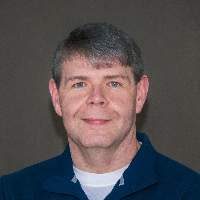
Dr. Jason Reasor, LPC
Wyoming · 4 years in practice
Dr. Jason Reasor is a licensed professional counselor with a background in ministry and doctoral training in professional counseling.
License and registration
- LPC, Wyoming
- LPC-1908 · expires February 2027
- LPC, Alabama
- LPC04666 · expires July 2027
- NPI
- 1376100776 · national provider identifier
- Years in practice
- 4
- Languages
- English
Details are as listed on the therapist's public professional profile. You can check the license with the issuing state board, and the NPI with the national registry.
About Jason
Dr. Jason Reasor is a licensed professional counselor with a background in ministry and doctoral training in professional counseling. He holds a Master of Arts in Counseling and completed a doctorate in professional counseling in August 2021.
He practices from Alabama and brings four years of post-licensure clinical experience to his work with adults. He aims for a whole-person approach that looks at thoughts, emotions, behaviors, and social factors. Sessions focus on practical steps clients can use between meetings.
Background and approach
He blends several methods, drawing from cognitive and behavioral ideas as well as mindfulness and meaning-focused work. Dr. Reasor includes EMDR among the approaches he uses for trauma-related concerns.
He also incorporates Acceptance and Commitment Therapy, Cognitive Behavioral Therapy, Dialectical Behavior Therapy, and existential perspectives depending on what each person needs. The mix is adapted to individual goals rather than a single fixed method. Clients often bring worries about anxiety, stress, depression, grief, addiction, parenting strain, or relationship problems.
He also addresses attachment and abandonment issues, first responder strain, caregiver stress, and coping after disasters. Work can include learning emotion regulation, changing unhelpful thinking patterns, and building more useful habits. Sessions are offered in English and can be scheduled as video calls, phone sessions, live chat, or text-based messaging.
Fees vary with location and use a subscription model that can be canceled at any time. To start, select the Start Therapy button, fill out a short matching questionnaire, and schedule according to availability.
Focus areas and approaches
Everything Jason lists on their public professional profile, in their own terms.
- Stress, Anxiety
- Addictions
- Relationship issues
- Family conflicts
- Depression
- Trauma and abuse
- Grief
- Parenting issues
- Anger management
- Self esteem
- Bipolar disorder
- Coping with life changes
- Compassion fatigue
- Abandonment
- Attachment issues
- Avoidant personality
- Caregiver issues and stress
- Co-morbidity
- Communication problems
- Control issues
- Coping with natural or human-caused disaster
- Divorce and separation
- Drug and alcohol addiction
- Emptiness
- Family of origin issues
- Family problems
- Fatherhood issues
- First responder issues
- Forgiveness
- Guilt and shame
- Impulsivity
- Isolation / loneliness
- Life purpose
- Men's issues
- Midlife crisis
- Veteran and Armed Forces Issues
- Mood disorders
- Panic disorder and panic attacks
- Postpartum depression
- Post-traumatic stress
- Self-love
- Social anxiety and phobia
- Young adult issues
Approaches Jason names
- Eye Movement Desensitization and Reprocessing (EMDR)
- Acceptance and Commitment Therapy (ACT)
- Cognitive Behavioral Therapy (CBT)
- Dialectical Behavior Therapy (DBT)
- Existential Therapy
- Mindfulness Therapy
- Motivational Interviewing
Naming an approach is not evidence of training in it. This directory copies what each therapist lists and does not check training records.
Online support
Therapeutic approaches for online care
Dr. Reasor commonly uses Acceptance and Commitment Therapy, Cognitive Behavioral Therapy, and EMDR as part of his online practice. Acceptance and Commitment Therapy (ACT) helps people notice thoughts without getting stuck in them and clarifies what matters most so actions align with personal values. Cognitive Behavioral Therapy (CBT) focuses on identifying and changing unhelpful thought patterns and behaviors to reduce anxiety, depression, and stress. Eye Movement Desensitization and Reprocessing (EMDR) is used for trauma-related symptoms and involves structured processing to reduce the emotional impact of disturbing memories.Finding the best approach is a collaborative process. He will work with each person to choose and adjust methods that fit their goals, needs, and preferences rather than sticking to a single technique. Together they set practical goals and review progress as therapy continues.
Online formats include video calls, phone sessions, live chat, and text-based messaging. Video is useful for full sessions that mimic face-to-face meetings. Phone sessions can be simpler when bandwidth is limited or a shorter check-in is preferred. Text and chat let clients check in between sessions or keep notes of progress. These options make it easier to fit therapy into work, caregiving schedules, or times when traveling would be difficult.
We will earn a commission if you sign up through our link, at no cost to you. It does not change what you pay or the order of the listings.
Questions people ask
What concerns does Dr. Reasor commonly address?
He works with stress, anxiety, depression, trauma and abuse, addictions, grief, relationship and parenting challenges, bipolar symptoms, anger, and self-esteem issues.
How would you describe his therapy style?
He uses a whole-person, practical approach that looks at thoughts, feelings, behaviors, and social context and focuses on steps clients can use between sessions.
What is his professional background?
He completed a Master of Arts in Counseling, earned a doctorate in professional counseling in August 2021, and has four years of post-licensure clinical experience.
Where is he licensed and based?
He is a licensed professional counselor (LPC) with credentials in Alabama and Wyoming and practices from Alabama.
Which languages are supported for sessions?
Sessions are offered in English only.
What formats are available for meeting online?
Sessions may be held via video calls, phone sessions, live chat, or text-based messaging depending on client preference.
How are costs and payments handled?
Costs vary by location and therapist availability; sessions use a subscription that can be canceled at any time.
What should I do to begin working with him?
Click the Start Therapy button, complete a short matching questionnaire, and schedule sessions according to therapist availability.
More therapists in Alabama
See all
Gwendolyn Downing
LPC
Compassionate, experienced counseling for adults
- Stress, Anxiety
- Addictions
- Trauma and abuse


Dr. Madalyn Caldwell
LPC
Compassionate support for stress and trauma
- Stress, Anxiety
- Trauma and abuse
- Self esteem

Is this your profile?
Ask us to correct details or take the page down.
Contact us