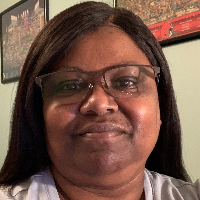
Richard Reihing
LPCC
Practical trauma-informed counseling with EMDR
- Trauma and abuse
- Self esteem
- Depression
Clinical social work directory
53 therapists in this directory hold a licence issued in Ohio and name EMDR among their approaches. Sessions are online; a US therapist can usually only see people in a state where they hold a licence, so check the credentials panel on each profile.
Welcome to the Ohio section of our online therapist directory. All therapists listed on this page are licensed to practice in Ohio and include clinicians who list EMDR among their approaches. Explore the profiles to compare approaches, credentials, languages and experience.
LPCC
Practical trauma-informed counseling with EMDR
LISW
Compassionate, practical therapy for life changes
LPCC
Practical, compassionate therapy for life changes
LPCC
Calm, experienced counseling for life's challenges
LPCC
Practical counseling for stress and trauma
LIMFT
Practical, compassionate therapy for everyday struggles
LPCC
Calm, practical care for trauma and stress
LISW
Practical strategies for trauma and addiction recovery
LISW
Compassionate, practical therapy for everyday struggles
LISW
Practical, direct therapy with a compassionate approach
LPCC
Practical therapy for stress, trauma, and parenting
LISW
Client-centered care with practical tools
LPCC
Practical, compassionate counseling for life challenges
LISW
Empathetic trauma-informed care with practical skills
LPCC
Compassionate practical support for everyday struggles
LISW
Experienced Ohio clinician focused on trauma and relationships
LPCC
Therapist focused on healing and clarity
LPCC
Direct, trauma-informed therapy with practical tools
LISW
Practical support for anxiety and trauma recovery
LPCC
Collaborative counselor focused on recovery and coping
LPCC, LPC
Calm, practical support for life changes
LPCC
Helpful support for stress and relationships
LISW
Compassionate Ohio LISW focusing on trauma and recovery
LPCC
Compassionate, practical therapy for life transitions
LPCC, LMHC
Trauma-informed therapist focused on practical skills
LISW, LCSW
Experienced social worker focusing on trauma and growth
LCSW, LISW
Compassionate therapist for life transitions
LPCC
Calm guidance for stress, trauma, and family concerns
LISW
Experienced Ohio therapist focused on life transitions
LPCC
Compassionate, practical therapy for emotional healing
LPCC, LPC
Calm, practical therapy focused on change
LCSW, LISW
Restoring control with practical therapies
LPCC
Compassionate care for stress and trauma
LISW
Supportive, practical therapy for life changes
LPCC
Compassionate, practical therapy for life’s hard moments
LPCC
Compassionate trauma-informed counseling
LISW
Therapist offering practical, person-centered care
LISW
Compassionate, practical therapy for trauma and stress
OH Psychologist
Experienced Ohio psychologist focused on relationships
LPCC
Compassionate, practical counseling for life challenges
LPCC
Compassionate counselor with medical and spiritual insight
LCSW, LISW
Compassionate social worker for life transitions
LISW
Calm, practical support for everyday struggles
LCSW, LISW
Restorative, practical therapy focused on strengths
Some links on this page are partner links. We will earn a commission if you sign up through one, at no cost to you. It does not change what you pay or the order of the listings.
Online therapy has become a widely used option for people across Ohio, from large urban centers to small towns and rural counties. State licensing rules require that clinicians be licensed to provide care to residents located in Ohio at the time of the session, so many licensed Ohio clinicians offer services by video or phone to reach clients throughout the state. You will find a range of licensed professionals who describe their therapeutic approaches, credentials and special focus areas in profile listings. These profiles allow you to learn how therapists describe their work, what populations they commonly support and which languages they list for communication. Online options can make it easier to connect with someone whose clinical approach and background align with what you are seeking without the need for long commutes or relocating your schedule.
Because online therapy can cross geographic distances, it is important to pay attention to where a clinician is licensed and how they characterize their approach. Profiles often include notes about specialties such as trauma, anxiety, relationship concerns, grief and life transitions. Some therapists also list modalities like EMDR among their approaches, though a listing simply indicates that the clinician uses or advertises that method and is not evidence of any particular credential beyond their licensure. Reviewing multiple profiles can help you identify clinicians who describe experience relevant to your situation and who use communication styles and session formats that fit your needs.
Choosing an online therapist can offer practical advantages that matter in everyday life. You may save travel time and avoid traffic across metropolitan areas like Columbus, Cleveland and Cincinnati, or reach specialized clinicians who are not located near you. Online sessions can create continuity of care when life requires flexibility - for example, managing work commitments, school schedules or family responsibilities. For people living in rural parts of Ohio, virtual sessions expand access to providers who offer experience with specific issues that may be harder to find locally.
Online therapy can also make it easier for you to match on factors that contribute to therapeutic fit. If you prefer a clinician who speaks a particular language, has experience with a certain cultural background, or lists experience with specific life stages or identities, the directory lets you review those aspects without geographic limits. Many people find the ability to attend from a comfortable environment helpful for focusing on the work. Keep in mind that online therapy requires a reliable internet connection and a device with video capability for most formats, and you should choose a space where you can talk and reflect with minimal interruptions.
Online therapists in Ohio work with a wide range of life challenges and emotional concerns. You are likely to find clinicians who describe experience supporting people with long-term concerns like anxiety and persistent low mood, as well as clinicians who work with more situational problems such as job stress, relationship transitions, parenting challenges and grief after loss. Trauma-informed approaches are commonly listed, and some therapists note that they work with survivors of accidents, violence or other distressing events. When trauma-focused methods are advertised, many profiles will simply note the approach; in particular, some clinicians list EMDR among their approaches, which indicates that they include it in their stated repertoire.
Beyond mood and trauma-related concerns, therapists frequently support clients with issues related to life transitions, career changes and identity development. Couples and family work is another common area, with clinicians describing work on communication, conflict resolution and blended family dynamics. Whatever concern brings you to search, reading how a therapist describes their focus areas, typical client profiles and language of practice can help you imagine whether their style and emphasis match what you hope to address in therapy.
Verifying a clinician's license is an important step before beginning work. You will want to confirm that the therapist holds an active Ohio license in the appropriate profession - for example, counseling, social work, marriage and family therapy, psychology or medicine for prescribers. Start by noting the license type and any license number shown on the therapist's profile. If that information is not listed, you can contact the clinician directly to ask for their licensure details and the issuing board.
Ohio has state licensing boards that provide public license lookup tools. The Ohio Counselor, Social Worker and Marriage and Family Therapist Board and the Ohio Board of Psychology offer searchable databases where you can enter a name or license number to check whether a license is active and whether disciplinary actions appear on the record. For prescribers, the Ohio Medical Board provides a similar lookup. In addition to verifying active status, these tools often list the license issue and expiration dates and any public disciplinary history. If you need assistance interpreting the information you find, the licensing board websites usually include explanatory material, or you can call the board for clarification.
When reviewing licensure information, keep in mind that licensing rules determine where a clinician may lawfully provide services. If you are physically located in Ohio during a session, the clinician must be authorized to practice in Ohio. If a profile indicates that a clinician is licensed in another state, ask directly whether they are licensed to provide services to someone located in Ohio. Confirming licensure helps you make an informed choice and ensures that professional standards and state regulations apply to your care.
Begin by clarifying what you want from therapy. You might be looking for short-term support for a specific issue, longer-term work on persistent patterns, or skills-based approaches for stress management. Think about practical preferences - session length, language of communication and whether you prefer video or phone sessions. Use these priorities to filter profiles and focus your search on clinicians who describe relevant experience and approaches.
When you review a profile, pay attention to how a therapist describes their approach, populations they typically support and their professional credentials. If a clinician lists EMDR among their approaches and that is important to you, keep in mind that the listing indicates they use that method but does not by itself speak to the nature or extent of any training. It is appropriate to ask a clinician about their experience working with your particular concern, how they describe their therapeutic style, and what a typical initial session might involve. You can also ask about session logistics such as typical session length, communication methods and fee structure. These questions help you form a sense of fit without relying on availability or outcome claims.
Once you identify a clinician who seems like a match, contact them or their practice to request an initial conversation or intake information. Prepare a brief summary of what brings you to therapy and any goals you want to pursue. Make sure you have a reliable internet connection and a quiet, comfortable environment where you can speak freely during sessions. If insurance is part of your plan, ask whether the clinician lists accepted plans or if they provide documentation you can submit to your insurer. Keep notes from initial conversations so you can compare how different clinicians answered your questions about approach, experience and logistics.
Choosing the right online therapist is partly a practical decision and partly a personal one. You should feel that your questions are answered clearly and that the clinician's style and areas of focus align with what you need. It is normal for the process to involve contacting a few clinicians before you find the person you want to work with. Trust your judgment about fit, and use the information available in profiles and licensing records to guide your choice. If you have concerns about any licensure information you encounter, reach out to the appropriate Ohio licensing board for guidance.