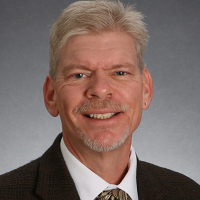
Mark Silla
LPCC
Compassionate clinician focused on practical change
- Stress, Anxiety
- Addictions
- Relationship
Clinical social work directory
19 therapists in this directory hold a licence issued in New Mexico and name EMDR among their approaches. Sessions are online; a US therapist can usually only see people in a state where they hold a licence, so check the credentials panel on each profile.
Welcome to the New Mexico section of our directory for online therapists. All therapists listed here hold a valid license in New Mexico and note EMDR among their approaches. Explore the profiles to learn about specialties, credentials, languages, and therapeutic styles.
LPCC
Compassionate clinician focused on practical change
LCSW
Compassionate therapist for stress and trauma
LPCC
Compassionate counselor focusing on practical growth
LPCC
Practical, strengths-focused therapy with EMDR included
LPCC, LMHP
Compassionate counselor for lasting change
LCSW
Calm, practical therapy focused on recovery
LCSW, LICSW
Compassionate care for trauma and identity struggles
LCSW
Client-centered therapist using practical trauma tools
LCSW
Calm, practical support for life changes
LCSW
Practical, strengths-based therapy with EMDR support
LPC, LPCC
Practical support for trauma and anxiety
LPCC
Compassionate counselor blending practical tools with trauma work
LCPC, LPCC
Practical, steady support for stress and trauma
LCSW
Experienced LCSW focused on recovery and coping
LCSW
Practical support for stress and trauma recovery
LCSW
Experienced LCSW supporting trauma and resilience
Some links on this page are partner links. We will earn a commission if you sign up through one, at no cost to you. It does not change what you pay or the order of the listings.
Online therapy has become a common option for residents across New Mexico, connecting people in Albuquerque, Santa Fe, the Navajo Nation, and rural communities with licensed clinicians who provide services through video, phone, or text-based messaging. In this directory you will find therapists who list EMDR among their approaches along with other modalities they use. State licensing requires that clinicians be authorized to practice with clients who are physically located in New Mexico during sessions, so the professionals you see here have confirmed licensure information. Online therapy can be delivered in different formats and structures - some therapists focus on weekly video sessions while others combine synchronous meetings with occasional written check-ins. Understanding the range of formats available helps you choose a clinician and a schedule that fit your life and needs.
Therapists who offer virtual care must follow New Mexico practice standards and applicable laws. Licensing boards oversee professional credentials, set practice guidelines, and maintain public records of disciplinary actions and license status. While this directory highlights approaches and areas of focus listed by clinicians, it does not replace verification with the state licensing authority. Use the information here to narrow options, and then review each clinician's public license record to confirm the details you consider most important.
Online therapy can expand your access to clinicians across the state, which is especially helpful if you live far from urban centers or have limited transportation. You can connect with therapists who speak your language, who specialize in a particular population or issue, or who list EMDR among their approaches without being limited to a local office. The convenience of logging in from home can reduce the time commitment of commuting and make it easier to build therapy into a busy schedule.
Teletherapy can make it simpler to maintain continuity when you travel within the state or when your work or caregiving responsibilities fluctuate. If mobility, chronic health conditions, or caregiving obligations make leaving home difficult, you can still meet with a therapist from a quiet space at home. For people in smaller communities, online care also broadens the chance to find a clinician with specific cultural, linguistic, or clinical experience that matches your needs. As you evaluate options, think about how the format fits your lifestyle and what will make it easiest for you to attend consistently.
Therapists offering online services in New Mexico commonly work with a range of life challenges. Many people seek help for mood concerns such as depression and anxiety, stress related to work or relationships, grief and loss, and transitions like parenting or retirement. Trauma-related concerns are also a frequent focus, and you will find clinicians who list EMDR among their approaches alongside other therapeutic methods. Online therapy can also support people managing chronic health conditions, substance use concerns, identity-related issues, and the emotional impacts of caregiving.
When you review profiles, pay attention to the ways therapists describe their specialties and populations of focus. Some clinicians emphasize work with adolescents or older adults, others highlight cultural competence with Indigenous communities or bilingual therapy in Spanish and English. Reading how a therapist explains their approach can give you a sense of whether their style aligns with your preferences. Keep in mind that a listed approach simply indicates an area the clinician uses in practice rather than a specific credential; this directory reports the approaches clinicians list in their profiles.
Before you commit to an initial session, it is wise to confirm a clinician's license status with the state's licensing authority. You can use the New Mexico license lookup tools to search by name or license number and review the type of license held, the expiration date, and any disciplinary history that is publicly recorded. Look for the credential type such as Licensed Professional Clinical Counselor, Licensed Clinical Social Worker, or Licensed Marriage and Family Therapist to understand the clinician's scope of practice and typical educational background.
When you view a license record, note the license number, the issuing board, and the current status. If you see any corrective actions or sanctions, the licensing site will usually describe the nature of the action and its timeframe. If you have questions about a specific notation, you can contact the licensing office directly for clarification. Verifying licensure is a practical step that complements the profile information in this directory and helps you make an informed choice.
Beginning online therapy often starts with clarifying what you hope to get from the process. Think about your primary concerns, short-term goals, and preferences for session frequency and modality. When you look at therapist profiles, compare specialties, listed approaches, credentials, and languages spoken to find clinicians whose experience matches your needs. Consider the therapeutic orientation you prefer - some people prioritize a structured skills-based approach while others seek a relational or insight-oriented style. You can use a brief email or message to introduce yourself, describe your main concerns, and ask about the clinician's experience working with similar situations.
When contacting a therapist, you might ask how they typically structure online sessions, what tools they use for video meetings, and how they describe their approach to issues like trauma, grief, or relationship concerns. It is appropriate to inquire about session length, fee range, and whether they provide documentation such as a treatment agreement or informed consent for teletherapy. If language, cultural context, or life stage is important to you, ask about the clinician's experience working with those factors. These questions help you assess fit before committing time to a first session.
To get the most from your first meeting, choose a quiet space at home where interruptions are unlikely and test your device and internet connection ahead of time. Have a list of topics or goals ready so you can use session time efficiently. If you use insurance, check how the clinician reports billing and whether you need preauthorization. Keep in mind that developing rapport can take a few sessions, and it is reasonable to evaluate how comfortable you feel with a therapist's communication style and clinical focus as you proceed.
Choosing a therapist is a personal process. Use the directory to identify clinicians who list EMDR among their approaches and who describe specialties that resonate with your needs. Then verify licensure, ask practical questions, and trust your sense of whether a clinician's approach and communication feel like a good match for you. With the right fit and a clear set of goals, online therapy can be a flexible and effective way to work on emotional wellbeing from wherever you are in New Mexico.