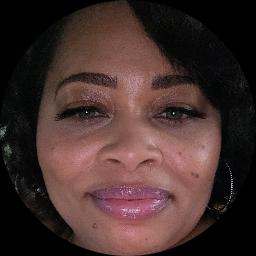
Kenyell Gantt-Luck, MD, LCSW-C
Maryland · 19 years in practice
Kenyell Gantt-Luck is a licensed clinician based in Maryland who helps people manage stress, anxiety, relationships, trauma and abuse, low self-esteem, and depression.
License and registration
- LCSW-C, Maryland
- 21595 · expires October 2026
- NPI
- 1801291729 · national provider identifier
- Years in practice
- 19
- Languages
- English
Details are as listed on the therapist's public professional profile. You can check the license with the issuing state board, and the NPI with the national registry.
About Kenyell
Kenyell Gantt-Luck is a licensed clinician based in Maryland who helps people manage stress, anxiety, relationships, trauma and abuse, low self-esteem, and depression. She brings 19 years of professional experience to her work and aims to guide clients toward clearer coping skills and stronger self-worth. Her approach centers on the person in front of her.
Sessions focus on where a client wants to go, and she adapts methods to match those goals.
Background and approach
Kenyell uses techniques drawn from cognitive behavioral therapy, dialectical behavior therapy, mindfulness, and EMDR to address difficult memories, unhelpful thinking patterns, and emotional regulation. She has provided individual and group therapy in independent practice and agency settings. That range gives her experience with different kinds of stress and life transitions.
Kenyell emphasizes practical tools that people can use between sessions to reduce symptoms and improve day-to-day functioning. Communication and collaboration shape her work. She invites clients to lead the conversation about priorities while offering structure and skills when needed.
Cultural background and personal beliefs are respected and discussed as part of treatment planning. Kenyell describes social work as her purpose and frames therapy as a partnership. She encourages people who are taking the first step toward help, and aims to make the process straightforward and goal-oriented.
Focus areas and approaches
Everything Kenyell lists on their public professional profile, in their own terms.
- Stress, Anxiety
- Relationship issues
- Trauma and abuse
- Self esteem
- Depression
- Communication problems
- Life purpose
- Self-love
Approaches Kenyell names
- Eye Movement Desensitization and Reprocessing (EMDR)
- Client-Centered Therapy
- Cognitive Behavioral Therapy (CBT)
- Dialectical Behavior Therapy (DBT)
- Mindfulness Therapy
- Motivational Interviewing
- Narrative Therapy
- Solution-Focused Therapy
- Trauma-Focused Therapy
Naming an approach is not evidence of training in it. This directory copies what each therapist lists and does not check training records.
Online support
Approaches that translate well to online care
Client-Centered Therapy focuses on listening and responding to what matters most to the client. The therapist follows the client's lead, reflects concerns, and helps set goals. This approach helps people who need a safe space to sort priorities and values.Cognitive Behavioral Therapy, or CBT, teaches practical skills to change unhelpful thoughts and behaviors. Sessions often include exercises to try between meetings, which fit well into video or text follow-ups. CBT is useful for anxiety, depression, and stress that affect daily routines.
EMDR is used to address traumatic memories by combining focused recall with guided bilateral stimulation. In online sessions the process is adapted so clients can work through distressing memories while the therapist provides step-by-step support and grounding techniques.
Finding the right approach is part of the work together. The therapist will explore goals, preferences, and what has or hasn’t helped before, then recommend methods to try. Clients and the therapist make adjustments along the way to find the best fit.
Online formats include video calls, phone sessions, live chat, and text-based messaging. Video works well for skills practice and deeper conversation. Phone sessions can be a good choice when bandwidth is limited or for a quicker check-in. Live chat and text messaging allow brief check-ins, homework support, and ongoing encouragement between full sessions. These options offer flexibility for different schedules and needs.
We will earn a commission if you sign up through our link, at no cost to you. It does not change what you pay or the order of the listings.
Questions people ask
What concerns does this therapist address?
She supports people with stress, anxiety, relationship strain, trauma and abuse, self-esteem issues, and depression. Additional focuses include communication problems, life purpose, and building self-love.
What is the general therapy style and approach?
The style is person-centered and collaborative, with an emphasis on practical skills. Sessions combine talk, skills practice, and strategies drawn from several approaches to fit individual needs.
How many years of clinical experience does the therapist have?
She has 19 years of professional work experience across independent practice and agency settings. That background includes both individual and group therapy.
Which credentials and location are listed?
The clinician holds MD and LCSW-C credentials and is licensed in Maryland.
Are sessions offered in other languages or to international clients?
Sessions are offered in English, and she accepts international clients.
What session formats are available?
Therapy is offered via video calls, phone sessions, live chat, or text-based messaging to suit different needs and schedules.
How does pricing work for therapy sessions?
Cost varies with location and therapist availability; sessions use a subscription that can be canceled at any time.
What are the steps to begin therapy?
Start by selecting the Start Therapy button, complete the short matching questionnaire, and then schedule sessions according to therapist availability.
More therapists in Maryland
See allTanya Vincent
MD, LCPC
Compassionate practical therapy for life’s challenges
- Stress, Anxiety
- Relationship
- Family

Holly Powell
MD, LCSW-C
Compassionate, practical therapy for stress and trauma
- Stress, Anxiety
- Trauma and abuse
- Grief
Lynly Curtis
MD, LCSW-C, LICSW
Compassionate clinician blending practical skills and trauma care
- Stress, Anxiety
- Family
- Trauma and abuse
Angelique Fontaine
MD, LCSW-C
Trauma-informed clinician blending EMDR and CBT
- Stress, Anxiety
- Trauma and abuse
- Addictions
Is this your profile?
Ask us to correct details or take the page down.
Contact us