
Jacqueline Arcand, LCSW
Arizona · 10 years in practice
Jacqueline Arcand is a licensed clinical social worker who helps people manage stress, anxiety, addiction, and trauma.
License and registration
- LCSW, Arizona
- LCSW-18361 · expires December 2027
- LCSW, Alaska
- 161210 · expires June 2026
- NPI
- 1467908103 · national provider identifier
- Years in practice
- 10
- Languages
- English
Details are as listed on the therapist's public professional profile. You can check the license with the issuing state board, and the NPI with the national registry.
About Jacqueline
Jacqueline Arcand is a licensed clinical social worker who helps people manage stress, anxiety, addiction, and trauma. She focuses on building motivation, self-esteem, and confidence so people feel more able to face day-to-day challenges. She treats depression, grief, intimacy-related concerns, and relationship stress, and she works with people navigating life changes like adoption, immigration, or recovery from domestic violence.
Her practice also includes help for eating and substance use issues and for those dealing with complicated family-of-origin patterns.
Background and approach
Jacqueline uses a mix of approaches to match what each person needs. She listens first and centers the client's experience when planning sessions. Her methods include client-centered work, cognitive behavioral strategies, narrative approaches, attachment-based ideas, and EMDR to address traumatic material when appropriate.
In sessions she asks straightforward questions about what’s not working and how it got that way. Then she helps clients try practical steps to shift habits, thoughts, or relationships. She emphasizes strengths people already have and builds on them to create change.
Jacqueline holds a Licensed Clinical Social Worker credential and brings ten years of professional experience. She practices from Alaska and conducts sessions in English. She supports people who want a guided, collaborative approach to feeling better and moving forward.
Focus areas and approaches
Everything Jacqueline lists on their public professional profile, in their own terms.
- Stress, Anxiety
- Addictions
- Relationship issues
- Trauma and abuse
- Depression
- LGBT
- Family conflicts
- Grief
- Intimacy-related issues
- Eating disorders
- Anger management
- Self esteem
- Bipolar disorder
- Coping with life changes
- Abandonment
- Adoption and foster care
- Attachment issues
- Co-morbidity
- Codependency
- Commitment issues
- Coping with natural or human-caused disaster
- Dependent personality
- Domestic violence
- Drug and alcohol addiction
- Family of origin issues
- First responder issues
- Guilt and shame
- Immigration issues
- Jealousy
- Veteran and Armed Forces Issues
- Mood disorders
- Panic disorder and panic attacks
- Polyamory / non-monogamous relationships
- Post-traumatic stress
- Process addiction (porn, exercise, gambling)
- Sexual assault and abuse
- Young adult issues
Approaches Jacqueline names
- Eye Movement Desensitization and Reprocessing (EMDR)
- Attachment-Based Therapy
- Client-Centered Therapy
- Cognitive Behavioral Therapy (CBT)
- Narrative Therapy
- Psychodynamic Therapy
- Solution-Focused Therapy
- Trauma-Focused Therapy
Naming an approach is not evidence of training in it. This directory copies what each therapist lists and does not check training records.
Online support
Therapeutic approaches that translate to online care
Jacqueline often uses client-centered work and cognitive behavioral therapy to help people change unhelpful thoughts and behaviors. Client-centered therapy focuses on listening and reflecting so people can name their goals, while CBT gives clear tools to test and shift thinking and routines.She also uses EMDR for processing traumatic memories when that fits a person’s needs. EMDR involves guided attention and processing to reduce the intensity of distressing memories and helps people feel less overwhelmed by past events.
Jacqueline treats finding the right approach as a team effort. She will talk with each person about goals, preferences, and how they react to different techniques, and then recommend a plan. Adjustments are made along the way so sessions stay useful and relevant.
Online formats include video calls, phone sessions, live chat, and text-based messaging to provide flexibility. Video is useful for deeper work that benefits from seeing one another, phone works when bandwidth is limited or a quicker check-in is needed, and text or chat can support brief updates or ongoing reflection between sessions. These options help people fit therapy into busy schedules and different life circumstances.
We will earn a commission if you sign up through our link, at no cost to you. It does not change what you pay or the order of the listings.
Questions people ask
What concerns does Jacqueline commonly address?
She helps people with stress, anxiety, depression, trauma and abuse, addictions, relationship and intimacy issues, grief, eating concerns, anger, self-esteem, and coping with life changes.
What is her general therapy style?
She takes a collaborative, client-centered approach that listens first, then builds practical steps. Sessions mix thinking about patterns with hands-on strategies to change behavior.
How much clinical experience does she have?
She has ten years of professional work experience as a social worker supporting people through stress, addiction, and trauma.
What credentials and location are listed?
Jacqueline holds an LCSW credential and is based in Alaska; she also lists licensure in Arizona.
Which languages and international arrangements are available?
Sessions are offered in English. She does not accept international clients at this time.
What session formats does she use?
She offers video calls, phone sessions, live chat, and text-based messaging to fit different schedules and needs.
How does payment and cost work?
Cost varies with location and therapist availability; sessions are provided through a subscription model that can be canceled at any time.
How do I begin working with her?
Start by selecting the Start Therapy button, complete a short matching questionnaire, and then schedule according to therapist availability.
More therapists in Alaska
See all
Rachael Woods
LCSW
Compassionate, practical therapy focused on healing
- Stress, Anxiety
- Addictions
- Trauma and abuse
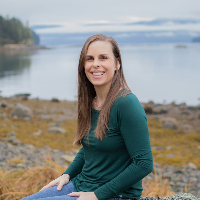
Jana Gumley
LCSW
Compassionate, practical therapy for life’s hard moments
- Stress, Anxiety
- Trauma and abuse
- Self esteem
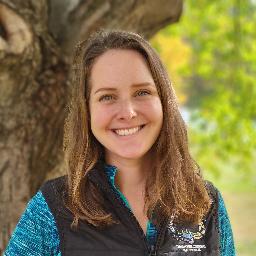
Melanie James
LCSW
Practical, values-focused therapy for life transitions
- Stress, Anxiety
- Relationship
- Family

Is this your profile?
Ask us to correct details or take the page down.
Contact us