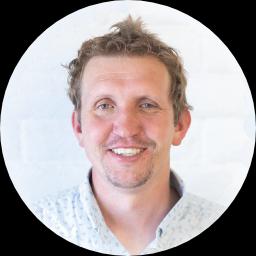
Christopher Keil, LMHC, LPC
Utah · 7 years in practice
Christopher Keil is a licensed mental health counselor who helps people facing stress, anxiety, trauma and abuse, grief, low self-esteem, and depression.
License and registration
- LCMHC, Utah
- 8367360-6004 · expires September 2026
- LPC, Missouri
- 2023050837 · expires June 2027
- LPC, Arizona
- LPC-23142 · expires May 2026
- LMHC, Washington
- LH61553578 · expires August 2026
- LMHC, Massachusetts
- LMHC10002444 · expires December 2027
- LPC, Oregon
- C8528 · expires August 2026
- NPI
- 1306154364 · national provider identifier
- Years in practice
- 7
- Languages
- English
Details are as listed on the therapist's public professional profile. You can check the license with the issuing state board, and the NPI with the national registry.
About Christopher
Christopher Keil is a licensed mental health counselor who helps people facing stress, anxiety, trauma and abuse, grief, low self-esteem, and depression. He speaks plainly and focuses on real steps that can ease distress and restore everyday functioning. Christopher works with people who feel stuck and want clear direction toward change.
He uses a mix of approaches to match each person's needs. Sessions are conversational and goal-focused. Christopher aims to make sessions feel calm and straightforward so people can talk about hard things without feeling overwhelmed.
Background and approach
Christopher has seven years as a licensed counselor and an overall 12 years working in mental health. That experience includes helping people with severe trauma and abuse, and with grief and loss after life changes. He also supports people facing chronic pain or illness, body image concerns, and challenges with guilt, shame, or isolation.
In practice he draws on Eye Movement Desensitization and Reprocessing, Narrative Therapy, and Internal Family Systems to address painful memories, personal stories, and inner parts that influence behavior. He blends these methods rather than relying on a single technique. This helps him tailor work to what matters to each person.
Christopher invites people to be active in their care and to try practical tools between sessions. He guides goal setting and tracks progress so improvements are clear. Getting started is presented as a straightforward step rather than a big leap.
Focus areas and approaches
Everything Christopher lists on their public professional profile, in their own terms.
- Stress, Anxiety
- Trauma and abuse
- Grief
- Self esteem
- Depression
- Abandonment
- Attachment issues
- Body image
- Chronic pain, illness, and disability
- Communication problems
- Control issues
- Dissociation
- First responder issues
- Forgiveness
- Guilt and shame
- Impulsivity
- Isolation / loneliness
- Life purpose
- Men's issues
- Midlife crisis
- Money and financial issues
- Mood disorders
- Narcissism
- Panic disorder and panic attacks
- Process addiction (porn, exercise, gambling)
- Self-love
- Social anxiety and phobia
- Workplace issues
Approaches Christopher names
Naming an approach is not evidence of training in it. This directory copies what each therapist lists and does not check training records.
Online support
EMDR, Narrative Work, and Online Options
EMDR is a process some people use to reduce the emotional intensity of painful memories. It combines focused attention on memory with guided bilateral stimulation to help the brain reprocess traumatic material and reduce distress. Narrative Therapy centers on the stories people tell about their lives. It helps separate a person from their problem and rewrite limiting narratives that keep them stuck.Christopher approaches choice of method as a collaboration. He listens to a person's goals, history, and current needs, then suggests approaches that could fit. Together the therapist and client decide which techniques to try and adapt over time based on what helps most.
Online sessions are offered as video calls, phone sessions, live chat, or text-based messaging to make therapy more flexible. Video calls allow face-to-face interaction when that matters. Phone sessions can work when bandwidth is limited or for a shorter check-in. Live chat and text messaging suit people who prefer written exchanges or need quick, ongoing support between sessions. These options make it easier to fit therapy around work, family, and travel without losing continuity of care.
We will earn a commission if you sign up through our link, at no cost to you. It does not change what you pay or the order of the listings.
Questions people ask
What kinds of concerns does this therapist support?
He focuses on stress, anxiety, trauma and abuse, grief, self-esteem, and depression, along with related issues such as abandonment, attachment, body image, chronic pain and illness, and isolation.
What is the therapist's approach and style?
Sessions are conversational and goal-focused, with practical steps to reduce distress. Christopher blends different techniques to fit each person's needs and keeps sessions calm and direct.
How much clinical experience does he have?
He has seven years as a licensed counselor and a total of 12 years in the mental health field, including work with severe trauma and grief.
What credentials and location are listed for this clinician?
Credentials shown are MA LMHC and MO LPC, and he is licensed to practice in Utah.
Can people meet with him if English is not their first language?
Sessions are offered in English. International clients are accepted.
Which session formats are available for online work?
Sessions can be scheduled as video calls, phone sessions, live chat, or text-based messaging to fit different needs and routines.
How is cost handled for sessions?
Cost varies with location and therapist availability; sessions use a subscription model that can be canceled at any time.
What are the first steps to begin therapy?
Use the Start Therapy button, complete a short matching questionnaire, and schedule sessions based on the therapist's availability.
More therapists in Utah
See allBridgez English
LCMHC
Practical, trauma-informed counseling for adults
- Stress, Anxiety
- Relationship
- Trauma and abuse
Carolshene Powell
LCMHC
Compassionate trauma-informed counseling
- Stress, Anxiety
- Trauma and abuse
- Self esteem
Monica Rawlings
LCMHC
Compassionate care for trauma and life stress
- Stress, Anxiety
- Addictions
- Relationship
Cheli Webb
LCMHC
Practical, strength-focused counseling with EMDR options
- Stress, Anxiety
- Addictions
- Relationship
Is this your profile?
Ask us to correct details or take the page down.
Contact us