
Anna Lehew Kelley, LCSW
West Virginia · 12 years in practice
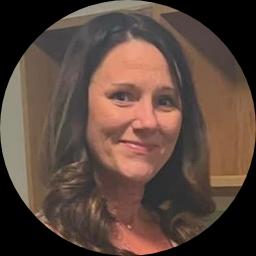
Anna Lehew Kelley is a Licensed Clinical Social Worker with a calm, straightforward approach.
License and registration
- LICSW, West Virginia
- DP00944454 · expires July 2026
- LISW, Ohio
- I.2002312 · expires August 2026
- LCSW, Oregon
- L16001 · expires March 2027
- LCSW, Tennessee
- 9637 · expires January 2027
- NPI
- 1427564525 · national provider identifier
- Years in practice
- 12
- Languages
- English
Details are as listed on the therapist's public professional profile. You can check the license with the issuing state board, and the NPI with the national registry.
About Anna
Anna Lehew Kelley is a Licensed Clinical Social Worker with a calm, straightforward approach. She meets people where they are and helps them find practical steps forward. Her style is collaborative and nonjudgmental, aimed at reducing stress and improving daily coping.
She has a Master of Social Work from the University of Pittsburgh and brings 12 years of clinical experience. Anna has supported people facing anxiety, depression, trauma, addiction, relationship strain, parenting challenges, and life transitions.
Background and approach
She uses a mix of therapies to match each person's needs rather than a one-size-fits-all plan. In sessions she focuses on identifying patterns that cause distress and teaching skills to change them. That can mean learning emotion regulation tools, practicing new ways to communicate, or trying steps to reduce avoidance.
Eye Movement Desensitization and Reprocessing is one of the approaches she includes for processing trauma when appropriate. Her work often blends attachment-focused ideas with practical cognitive and behavioral tools. That helps people understand how past relationships shape current reactions and then make small, doable changes.
She also draws on techniques from dialectical behavior therapy to build distress tolerance and emotional control. Anna aims to create a steady, predictable process so people can feel safer taking difficult steps. Sessions are focused, plainspoken, and goal-driven.
The emphasis is on skills you can use between meetings to make real change.
Focus areas and approaches
Everything Anna lists on their public professional profile, in their own terms.
- Stress, Anxiety
- Relationship issues
- Family conflicts
- Trauma and abuse
- Depression
- Addictions
- Grief
- Parenting issues
- Anger management
- Self esteem
- Coping with life changes
- ADHD
- Divorce and separation
- Drug and alcohol addiction
- Family problems
- First responder issues
- Infidelity
- Life purpose
- Veteran and Armed Forces Issues
- Post-traumatic stress
- Young adult issues
Approaches Anna names
- Eye Movement Desensitization and Reprocessing (EMDR)
- Attachment-Based Therapy
- Client-Centered Therapy
- Cognitive Behavioral Therapy (CBT)
- Dialectical Behavior Therapy (DBT)
- Gottman Method
- Motivational Interviewing
- Psychodynamic Therapy
- Solution-Focused Therapy
- Trauma-Focused Therapy
Naming an approach is not evidence of training in it. This directory copies what each therapist lists and does not check training records.
Online support
How therapeutic approaches translate to online care
Attachment-Based Therapy helps people understand how early connections shape current reactions and relationship patterns; online work uses discussion and exercises to build more supported ways of relating. Cognitive Behavioral Therapy, or CBT, focuses on spotting and changing unhelpful thoughts and behaviors, often using homework and short skill practice between sessions to see quick benefits. EMDR is used as a trauma-focused method that can reduce the intensity of painful memories by combining targeted memory work with bilateral stimulation when appropriate.Choosing the right approach is part of the therapy process. The therapist will collaborate with each person to identify goals, try methods that fit those goals, and adjust the plan as progress is made. That way the work stays practical and targeted to the individual's needs and preferences.
Online sessions are offered as video calls, phone sessions, live chat, or text-based messaging to suit different schedules and needs. Video calls allow face-to-face conversation for skill practice and EMDR-style work, phone sessions can be easier when bandwidth is limited, and live chat or messages provide brief check-ins or flexible support during busy days. These options make it easier to fit therapy into work, school, or caregiving routines while keeping the focus on tangible tools and steady progress.
We will earn a commission if you sign up through our link, at no cost to you. It does not change what you pay or the order of the listings.
Questions people ask
What concerns does Anna help with?
She helps people facing stress, anxiety, depression, trauma and abuse, addictions, relationship and family problems, grief, parenting strain, anger, low self-esteem, ADHD, and life changes.
What is her general therapy style?
Her approach is collaborative and nonjudgmental, focusing on practical skills and changing unhelpful patterns of thinking and behavior.
How much clinical experience does she have?
She has 12 years of clinical experience working in social work and behavioral health settings.
What credentials does she hold and where is she based?
She is a Licensed Clinical Social Worker, LCSW, practicing from West Virginia.
Which languages are offered for sessions?
Sessions are offered in English.
Can people outside the United States work with her?
She does not accept international clients at this time.
What session formats are available?
She offers video calls, phone sessions, live chat, and text-based messaging for flexibility in how people meet.
How does pricing and getting started work?
Cost varies with location and therapist availability and uses a subscription that can be canceled at any time; to begin, select the Start Therapy button, complete a short matching questionnaire, and schedule a session.
More therapists in West Virginia
See allRobert Kiser
LPC
Direct, practical therapy for trauma and anxiety
- Stress, Anxiety
- LGBT
- Trauma and abuse

Carla Bensie
LPC
Compassionate counselor focused on practical change
- Stress, Anxiety
- Addictions
- Trauma and abuse

Jenna Lapointe
LCSW, LICSW
Compassionate clinician focused on practical change
- Stress, Anxiety
- Trauma and abuse
- Self esteem

Heather Showen
LICSW, LISW
Helping people move past trauma and anxiety
- Stress, Anxiety
- Addictions
- Trauma and abuse
Is this your profile?
Ask us to correct details or take the page down.
Contact us