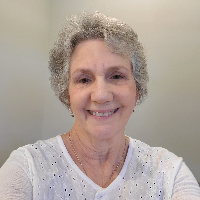
Tanya Smith
LPC
Calm, practical support for life’s hard moments
- Stress, Anxiety
- Trauma and abuse
- Anger
Clinical social work directory
24 therapists in this directory hold a licence issued in South Carolina and name EMDR among their approaches. Sessions are online; a US therapist can usually only see people in a state where they hold a licence, so check the credentials panel on each profile.
Welcome to the South Carolina section of our online therapist directory. All therapists listed on this page are licensed in South Carolina. Explore profiles to compare approaches, credentials, languages, and clinical focus to find a good match for your needs.
LPC
Calm, practical support for life’s hard moments
LMFT
Practical, collaborative therapy for trauma and relationships
LPC
Calm, practical therapy for trauma and stress
LPC
Experienced counselor focused on practical healing
LPC
Client-centered therapy with practical tools
LMFT
Compassionate support for stress and trauma recovery
LPC
Calm, practical support for past pain and present stress
LPC
Trauma-informed counselor with practical tools
LPC
Practical counseling for trauma and addiction recovery
LPC
Restoring balance through practical therapy
LISW-CP
Calm, practical support for life’s hardest moments
LPC
Calm, practical support for life’s hard moments
LPC
Experienced counselor guiding steady recovery
LPC
Compassionate, practical counseling focused on healing
LPC
Relief-focused care for trauma and anxiety
LPC
Compassionate counselor who values practical progress
LPC
Compassionate care that targets root causes
LPC
Compassionate counselor focused on practical change
LMFT
Practical support for trauma and mood challenges
LISW-CP
Experienced South Carolina social worker focused on practical support
Some links on this page are partner links. We will earn a commission if you sign up through one, at no cost to you. It does not change what you pay or the order of the listings.
If you live in South Carolina and are considering online therapy, you will find that many licensed clinicians now offer remote sessions alongside in-person care. Online therapy can be delivered through video calls, phone sessions, or text-based messaging platforms that allow you to connect from home, work, or another convenient location. In South Carolina, therapists who offer remote services must be licensed in the state to provide care to residents. That means the directory emphasizes licensed professionals and highlights the approaches they list, including EMDR among other modalities. While the ways clinicians incorporate remote work vary, you can generally expect similar professional standards to those used in face-to-face practice, such as informed consent, documentation, and ethical boundaries.
Online therapy often involves scheduled appointments that resemble traditional sessions in length and cadence. Some therapists use video for most interactions, while others combine video with phone check-ins or asynchronous communication. The technology involved is intended to facilitate the therapeutic relationship rather than replace it. When you choose a clinician, you can ask about the platforms they use, how they handle records and privacy, and what to expect if a technical issue interrupts a session. These practical details help you understand how remote care will fit into your routine and what supports are available if you need them.
Online therapy offers practical advantages that can make it easier for you to get consistent care. If you live in a rural part of South Carolina or have limited transportation, remote sessions can remove travel time and allow you to meet with a clinician who specializes in your concerns without geographic constraints. For people balancing work, school, or family responsibilities, online sessions may fit more smoothly into a busy schedule. Remote care also expands the pool of clinicians you can consider, which increases the likelihood of finding someone whose therapeutic style, approaches, and background align with what you want.
Many people find that the flexibility of remote sessions reduces barriers to starting or continuing therapy. You may be able to schedule appointments outside typical business hours or from a location that feels most comfortable to you. If mobility, caregiving responsibilities, or commuting present challenges, online therapy can offer a practical path to regular support. It is important to note that online care may not be the best fit for every clinical situation, but for many concerns it provides an effective and accessible option that works within your life.
Licensed online therapists in South Carolina address a broad range of concerns. You can work with clinicians on mood symptoms such as anxiety and depression, relationship struggles, stress management, grief, life transitions, and coping with chronic illness. Therapists also support people dealing with trauma-related responses, and the directory includes clinicians who list EMDR among their approaches. Many clinicians blend talk-based strategies with skills training for emotion regulation, thought patterns, and behavioral change to help you meet specific goals.
Some clinicians emphasize work with particular populations, like adolescents, veterans, couples, or parents. Others specialize in issues such as workplace stress, substance use concerns, or chronic pain. When you read profiles, pay attention to stated areas of focus and the populations a clinician mentions. Those details can help you decide which clinicians may have more experience working with situations similar to yours. You can also note languages spoken and professional credentials that align with the type of support you want.
Before beginning online therapy, it is wise to verify that a clinician holds an active license in South Carolina. You can do this by consulting the relevant state licensing board's online lookup tool, which typically allows searches by name or license number. In South Carolina, different professions are regulated by different boards, so you may find information through the board for professional counselors, the board for social workers, or the psychology board depending on the clinician's credential. The board record will usually show the license type, status, expiration date, and any public disciplinary actions.
When you review a license record, confirm that the license is active and issued for practice in South Carolina. Look at the license class to understand the clinician's credential level and check whether any disciplinary actions or public orders appear in the record. If a profile lists a license number, you can use that to find the exact match. If you are unsure which board governs a particular credential, the state government website can point you to the correct authority. Verifying licensing status helps you make an informed choice and ensures the clinician meets state regulatory requirements.
Beginning online therapy usually starts with identifying clinicians whose profiles reflect the approaches, populations, and issues you want to address. Once you find profiles that feel like a fit, reach out to learn more about how they work. Most therapists provide a brief intake or pre-screen conversation during which you can ask about session format, typical course of work, fees and insurance policies, and what a typical therapy plan looks like. Because this directory lists licensed clinicians and notes the approaches they list, you can focus your outreach on those whose stated methods and experience align with your priorities.
As you compare clinicians, think about what matters most to you. Consider whether you prefer a therapist who emphasizes skills-based strategies, trauma-focused approaches like EMDR among other methods, or relational work. Ask about languages spoken and experience working with people from backgrounds similar to yours. You may also want to ask how the clinician structures progress and how they measure outcomes in regular sessions. Trust your response to the initial conversation - comfort and a sense of being heard are important signals that a clinician may be a good match.
Finally, plan for the practical side of remote therapy. Choose a quiet, interruption-free space for sessions and confirm the technical requirements with the clinician. Have a backup plan in case a session must move to phone only, and clarify procedures for crisis situations or emergency referrals. Taking these steps will help you begin remote therapy with confidence and a clear sense of what to expect as you work toward your goals.