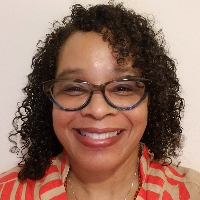
Asyia Hall
LCSW
Compassionate, practical care for anxiety and trauma
- Stress, Anxiety
- Trauma and abuse
- Grief
Clinical social work directory
24 therapists in this directory hold a licence issued in Kentucky and name EMDR among their approaches. Sessions are online; a US therapist can usually only see people in a state where they hold a licence, so check the credentials panel on each profile.
Welcome to our directory of online therapists who serve Kentucky. All therapists listed here hold a valid license, and many list EMDR among their approaches. Use the filters and profiles to explore credentials, specialties, languages, and experience.
LCSW
Compassionate, practical care for anxiety and trauma
LPCC
Healing practical steps for anxiety and trauma
LPCC
Practical therapy for trauma and life stress
LCSW
Helping people stop pretending and rebuild self-worth
LCSW
Compassionate, experienced therapist focused on practical change
LPCC
Practical, goal-focused counseling with trauma care
LCSW
Supportive LCSW for stress and life changes
LCSW
Compassionate, practical therapy focused on healing
LCSW
Practical, compassionate therapy with EMDR-informed care
LCSW
Practical, direct counseling for real-life problems
LCSW
Compassionate trauma-informed therapy in Kentucky
LMFT
Experienced therapist focused on practical healing
LCSW
Compassionate trauma-informed therapy for adults
LCSW
Compassionate therapist focused on trauma recovery
LCSW
Compassionate, experienced therapy for trauma and life change
LCSW
Compassionate LCSW focused on practical change
LMFT
Compassionate, practical therapy for relationships and trauma
LCSW, LMSW
Compassionate, practical therapy for life changes
LPCC, LPC
Practical, values-focused therapy for life challenges
LCSW
Calm, practical therapy for trauma and mood
LCSW
Seasoned LCSW focused on practical healing
Some links on this page are partner links. We will earn a commission if you sign up through one, at no cost to you. It does not change what you pay or the order of the listings.
Online therapy has become a common way for people in Kentucky to access mental health care without leaving their communities. Providers who are licensed in Kentucky offer remote sessions using video or phone to reach people across urban, suburban, and rural areas. The growth of remote services has made it easier for you to connect with clinicians who list EMDR among their approaches, or who emphasize trauma-focused work, mood concerns, relationship issues, or life transitions. Because licensing rules and telehealth regulations vary by profession and by state, many clinicians will note whether they practice under Kentucky licensure on their profile. This helps you confirm that the therapist’s credentials align with the state requirements that apply to your care.
Choosing online therapy can reduce common barriers to care, including long commutes, limited local options in rural counties, and scheduling conflicts. When you opt for remote sessions you can access clinicians who work with a broader range of issues and approaches than might be available near you. Online sessions can also make it easier to fit therapy into a busy life because you can meet from home, work, or another comfortable environment. For many people, remote therapy provides continuity of care during life changes such as moving between towns or balancing work and family commitments. You may also find clinicians who speak your preferred language or who focus on culturally specific approaches, which can improve the fit between you and the clinician. Finally, online therapy can allow you to sample different therapeutic styles and approaches, including those where clinicians list EMDR among their approaches, until you find the relationship that feels right.
Online therapists in Kentucky commonly support people with mood concerns such as anxiety and depression, trauma-related symptoms, relationship challenges, and stress from caregiving or work. Many clinicians who work remotely also address life transitions like divorce, grief, and identity exploration. You can find therapists who highlight experience with specific populations such as adolescents, parents, veterans, or members of the LGBTQ+ community, and clinicians who list EMDR among their approaches often indicate a focus on processing trauma and distressing memories. Remote therapy models can be adapted to individual psychotherapy, couples work, and parenting support. When you review profiles, pay attention to the clinical focus areas and the client groups the therapist mentions so you can match your needs with the provider’s experience and stated approach.
Verifying a therapist’s license is an important step in choosing care. Start by locating the clinician’s full name and, if available, a license number on their profile. Each profession typically has a state board that oversees licensure, such as the board for counselors, social workers, or psychologists. You can use the Kentucky professional licensing board’s online search tools to look up a license by name or number and confirm the license type, issue date, expiration date, and any disciplinary actions. If the profile lists a title like licensed professional counselor, clinical social worker, or psychologist, select the corresponding board to conduct the search. If you have questions about what you find, contact the relevant board directly by phone or email for clarification. When reviewing results, note the license status and whether the clinician is listed as authorized to provide telehealth services in Kentucky. Keep in mind that licensure rules differ across professions, so checking the correct board ensures you get accurate information.
Getting started typically begins with reviewing profiles to identify clinicians who list the approaches and focus areas that matter to you. Look for information on experience, education, and the populations the clinician works with. Many profiles will describe the format of sessions - for example, whether the clinician offers video sessions, telephone sessions, or a mix - and they may outline the focus of initial sessions. Once you identify a few profiles that seem to fit, reach out using the contact method provided on their profile to ask about intake procedures, fees, and the typical length of sessions. Prepare a brief summary of your goals and any questions about the clinician’s approach so you can make an informed choice. Before your first appointment, test your technology - camera, microphone, and internet connection - and find a quiet, comfortable environment where you can speak without interruption. It is also wise to ask how the clinician manages emergencies or crises during remote sessions so you know what to expect if urgent help is needed.
Choosing the right therapist is a personal process that combines practical considerations and interpersonal fit. Start by matching the clinician’s stated specialties and client focus with your presenting concerns. If EMDR is an approach you are interested in, look for therapists who list EMDR among their approaches and read how they describe its role in their work. Review credentials and licensure details to ensure they align with Kentucky requirements. Consider language needs and cultural competence - many therapists note the communities they serve or the languages they speak. Think about logistics such as session length, typical fees, and whether the clinician accepts your insurance or offers a self-pay rate that works for you. When you contact a therapist, notice how they respond to your questions, whether they outline a clear intake process, and whether their plan for treatment aligns with your goals. It is acceptable to try more than one clinician before settling into a therapeutic relationship. The most important factor is that you feel seen and understood in sessions and that the clinician’s approach fits the change you want to make. Over time, communication about goals, progress, and adjustments helps you and your clinician shape work that supports your wellbeing.
As you explore online therapists in Kentucky, balance practical details with how you feel about the therapist’s communication style and stated approach. Use the directory to filter by credentials, specialties, languages, and therapeutic approaches, and follow up with direct questions to make sure a clinician’s way of working matches what you want. Thoughtful preparation and clear communication can make online therapy a flexible, accessible option for pursuing better mental health and personal growth.