
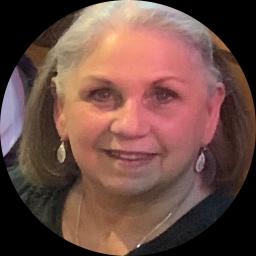
Elizabeth Kester, LIMHP
Nebraska · 3 years in practice
Elizabeth Kester is a licensed independent mental health practitioner (LIMHP) practicing in Nebraska with three years of clinical experience.
License and registration
- LIMHP, Nebraska
- 2922 · expires September 2026
- NPI
- 1598358061 · national provider identifier
- Years in practice
- 3
- Languages
- English
Details are as listed on the therapist's public professional profile. You can check the license with the issuing state board, and the NPI with the national registry.
About Elizabeth
Elizabeth Kester is a licensed independent mental health practitioner (LIMHP) practicing in Nebraska with three years of clinical experience. She focuses on helping people manage addiction, trauma, anger, mood shifts, and stress. Her work also addresses self-esteem, motivation, relationship concerns, and the strain that comes with major life changes.
She begins by listening to each person’s story and identifying strengths they already have. Elizabeth views the client as the expert in their own life and offers practical steps that build on what is working.
Background and approach
Sessions are straightforward and geared toward small, useful changes that add up over time. Her approach pulls from several well-known methods, including techniques to process traumatic memories, skills for managing intense emotions, and tools to clarify values and goals. She uses talk-based strategies alongside focused exercises clients can practice between sessions.
This makes therapy feel active rather than just reflective. Elizabeth aims to create a calm, steady space where people can try new ways of coping. She pays attention to immediate concerns like anxiety or cravings, while also addressing deeper patterns such as shame, codependency, or personality-related struggles.
The pace is set by the client’s needs. For people in Nebraska seeking remote care, Elizabeth offers multiple online formats. She guides clients through the first steps, helps set realistic goals, and revisits progress regularly to keep work practical and relevant.
Focus areas and approaches
Everything Elizabeth lists on their public professional profile, in their own terms.
- Addictions
- Trauma and abuse
- Anger management
- Bipolar disorder
- Depression
- Stress, Anxiety
- Relationship issues
- Parenting issues
- Self esteem
- Coping with life changes
- Compassion fatigue
- Antisocial personality
- Body image
- Codependency
- Drug and alcohol addiction
- Guilt and shame
- Mood disorders
- Paranoia
- Personality disorders
- Post-traumatic stress
- Self-love
Approaches Elizabeth names
- Eye Movement Desensitization and Reprocessing (EMDR)
- Acceptance and Commitment Therapy (ACT)
- Dialectical Behavior Therapy (DBT)
- Motivational Interviewing
- Solution-Focused Therapy
- Trauma-Focused Therapy
Naming an approach is not evidence of training in it. This directory copies what each therapist lists and does not check training records.
Online support
How EMDR, DBT, and ACT can be used online
EMDR helps people process traumatic memories by guiding attention while recalling upsetting events; it can reduce the intensity of memories and related distress when paired with careful planning and follow-up. Dialectical Behavior Therapy, or DBT, teaches practical skills for managing strong emotions, improving interpersonal effectiveness, and handling stress in the moment. Acceptance and Commitment Therapy, called ACT, focuses on clarifying values and taking committed steps toward them while learning to accept difficult thoughts and feelings.Choosing the right approach is part of the work. The therapist will collaborate with each person to identify what fits their goals and comfort level. That may mean trying a skills-based approach first, then adding trauma-focused work later, or weaving methods together based on what helps most.
Online therapy offers flexibility for people with busy schedules or limited travel options. Video calls allow face-to-face interaction and guided exercises. Phone sessions can be shorter check-ins or a good option when bandwidth is limited. Live chat and text-based messaging let clients share updates between sessions and receive timely support without scheduling a full call. These formats make it easier to maintain steady progress and fit therapy into daily life.
We will earn a commission if you sign up through our link, at no cost to you. It does not change what you pay or the order of the listings.
Questions people ask
What concerns does Elizabeth address?
She helps with addictions, trauma and abuse, anger, bipolar disorder, depression, anxiety, stress, relationship issues, parenting strain, self esteem, and coping with life changes, among other focused concerns.
What is her general approach in sessions?
Elizabeth listens first and then uses practical, goal-oriented methods like skills training and memory processing. Sessions include small exercises and steps clients can use between meetings.
How much clinical experience does she have?
She holds three years of professional work experience as a licensed practitioner in Nebraska.
What credential and location are associated with this clinician?
She is a LIMHP licensed in Nebraska and practices with that credential in the state.
Which languages are supported for sessions?
Sessions are offered in English.
Can international clients work with her?
International clients are not currently accepted.
What session formats are available online?
She provides video calls, phone sessions, live chat, and text-based messaging for remote therapy work.
How do costs and subscriptions work?
Cost varies with location and therapist availability; sessions use a subscription model that can be canceled at any time.
More therapists in Nebraska
See allCarrie Gottschalk
LIMHP
Practical, collaborative care for stress and trauma
- Stress, Anxiety
- Trauma and abuse
- Self esteem

Deana Thuer
LMHP
Direct, practical therapy with EMDR and ACT
- Stress, Anxiety
- Relationship
- Trauma and abuse

Michelle Hammock
LIMHP
Calm, practical care for stress and trauma
- Stress, Anxiety
- Addictions
- Relationship

Vickie Frizzell Pratt
LIMHP
Practical, experienced care for anxiety and trauma
- Stress, Anxiety
- Trauma and abuse
- Self esteem
Is this your profile?
Ask us to correct details or take the page down.
Contact us