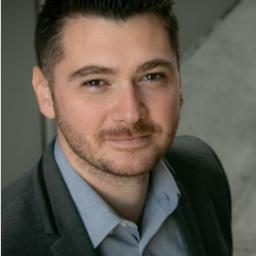
Daniel Leone, LMFT
California · 7 years in practice
Daniel Leone is a licensed marriage and family therapist who centers care on Attachment-Based and client-centered approaches.
License and registration
- LMFT, California
- 139091 · expires April 2027
- NPI
- 1073083820 · national provider identifier
- Years in practice
- 7
- Languages
- English, Portuguese
Details are as listed on the therapist's public professional profile. You can check the license with the issuing state board, and the NPI with the national registry.
About Daniel
Daniel Leone is a licensed marriage and family therapist who centers care on Attachment-Based and client-centered approaches. He emphasizes practical tools and clear conversation to help people manage stress, anxiety, and relationship difficulties. Daniel speaks English and Portuguese and works with people across California and beyond.
He focuses on everyday struggles that often feel overwhelming. That includes low self-esteem, trouble with motivation, and coping with life changes. He also helps people who worry about abandonment, control, or patterns that come from their family of origin.
Background and approach
In sessions he uses straightforward talk and strategies drawn from cognitive behavioral therapy and dialectical behavior therapy when useful. He encourages people to notice thoughts and behaviors that get in the way, and then practice small changes that lead to better days. EMDR is among the methods he lists and can be part of work when appropriate.
Daniel aims to create a calm, respectful space where people can name what’s hard and try new ways of responding. He frames therapy as a collaboration and treats each person as the expert on their own life. This helps clients set concrete goals and measure progress over time.
He has seven years of clinical experience as a California licensed marriage and family therapist, LMFT. That background includes supporting people with family problems, communication issues, codependency, body image concerns, guilt and shame, and living with HIV/AIDS. Daniel finds that steady effort and small, clear steps produce lasting change.
He encourages prospective clients to begin by answering a short questionnaire and scheduling a first meeting to see if the fit feels right.
Focus areas and approaches
Everything Daniel lists on their public professional profile, in their own terms.
- Stress, Anxiety
- Relationship issues
- Family conflicts
- Self esteem
- Coping with life changes
- Abandonment
- Attachment issues
- Blended family issues
- Body image
- Codependency
- Communication problems
- Control issues
- Dependent personality
- Emptiness
- Family of origin issues
- Family problems
- Forgiveness
- Guilt and shame
- HIV / AIDS
- Impulsivity
- Isolation / loneliness
- Jealousy
- Life purpose
- Money and financial issues
- Self-love
- Social anxiety and phobia
Approaches Daniel names
- Eye Movement Desensitization and Reprocessing (EMDR)
- Attachment-Based Therapy
- Client-Centered Therapy
- Cognitive Behavioral Therapy (CBT)
- Dialectical Behavior Therapy (DBT)
- Existential Therapy
- Mindfulness Therapy
- Psychodynamic Therapy
Naming an approach is not evidence of training in it. This directory copies what each therapist lists and does not check training records.
Online support
How attachment and CBT approaches work online
Daniel blends Attachment-Based Therapy and cognitive behavioral therapy in a way that fits online work. Attachment-based work focuses on patterns in close relationships and helps people notice how past bonds shape current reactions. That approach can help with trust, communication, and feeling less reactive. Cognitive behavioral therapy looks at thoughts and behaviors that keep problems going and uses practical exercises to shift them, which suits short online sessions and homework between meetings.Finding the right approach is part of the therapy process. The therapist will collaborate with each person to choose methods that match their needs, goals, and comfort level. Together they review what helps most and adjust the plan as progress is made.
Online therapy offers flexibility through video calls, phone sessions, live chat, or text-based messaging. Video calls allow face-to-face conversation and visual cues. Phone sessions can be easier when bandwidth is limited or when someone prefers not to be on camera. Live chat and text messaging work well for quick check-ins, short skill practice, or steady support between longer sessions. These options make it easier to fit therapy into a busy life and to continue work when travel or relocation happens.
We will earn a commission if you sign up through our link, at no cost to you. It does not change what you pay or the order of the listings.
Questions people ask
What kinds of problems does Daniel help with?
He works with stress, anxiety, relationship and family concerns, and issues with self-esteem and coping with life changes.
What is his therapeutic style like?
Sessions combine a client-centered, attachment focus with practical techniques from CBT and DBT to help people change unhelpful thoughts and behaviors.
How much clinical experience does he have?
Daniel has seven years of professional experience as a clinician supporting a range of concerns and life transitions.
What credentials and where is he licensed?
He holds a license as a marriage and family therapist, LMFT, licensed in California.
In which languages can sessions be held?
Sessions are offered in English and Portuguese, and international clients are accepted.
What session formats are available?
He offers video calls, phone sessions, live chat, and text-based messaging to suit different preferences.
How are sessions paid for?
Cost varies with location and therapist availability; sessions use a subscription that can be canceled at any time.
How do I begin working with him?
Start by selecting the Start Therapy button, complete a short matching questionnaire, and schedule according to the therapist's availability.
More therapists in California
See allKatherine Eldean
LMFT
Experienced therapist guiding practical change
- Stress, Anxiety
- Addictions
- Relationship

Menachem Stulberger
LMFT
Compassionate therapist combining practical strategies
- Stress, Anxiety
- Family
- Parenting

Dr. Monica Kelson
CA Psychologist
Calm, experienced psychologist focused on trauma care
- Stress, Anxiety
- Trauma and abuse
- Self esteem

Is this your profile?
Ask us to correct details or take the page down.
Contact us