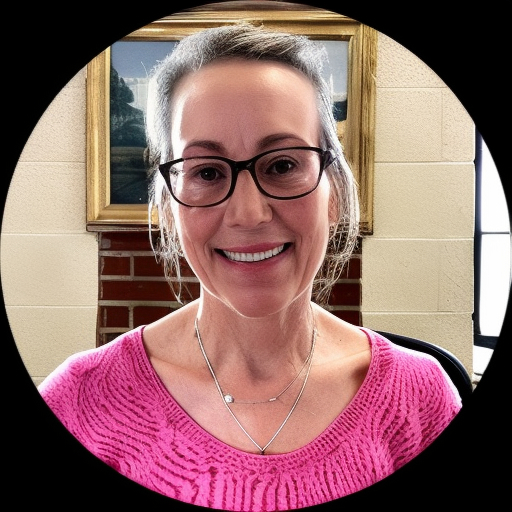
Haven Ohly
LISW
Compassionate, practical therapy for life changes
- Stress, Anxiety
- Addictions
- Relationship
Clinical social work directory
28 therapists in this directory list Licensed Independent Social Worker (LISW). Registration details are shown as each therapist lists them; the body's own public register is the place to check a number.
A Licensed Independent Social Worker (LISW) is a clinical social work license that allows a practitioner to provide psychotherapy and clinical services independently. Browse the verified LISW therapists listed below to explore their specialties, approaches, and languages.
LISW
Compassionate, practical therapy for life changes
LISW
Compassionate social worker blending practical tools
LISW
Practical strategies for trauma and addiction recovery
LISW
Compassionate, practical therapy for everyday struggles
LISW
Practical, direct therapy with a compassionate approach
LISW
Client-centered care with practical tools
LISW
Empathetic trauma-informed care with practical skills
LISW
Experienced Ohio clinician focused on trauma and relationships
LISW
Practical support for anxiety and trauma recovery
LICSW, LISW
Helping people move past trauma and anxiety
LISW
Compassionate Ohio LISW focusing on trauma and recovery
LISW
Compassionate trauma-informed care for everyday life
LISW, LCSW
Experienced social worker focusing on trauma and growth
LCSW, LISW
Compassionate therapist for life transitions
LISW
Experienced Ohio therapist focused on life transitions
LCSW, LISW
Restoring control with practical therapies
LISW
Supportive, practical therapy for life changes
LISW
Therapist offering practical, person-centered care
LISW, LCSW
Compassionate trauma-informed care with practical tools
LISW
Compassionate, practical therapy for trauma and stress
LCSW, LISW
Compassionate social worker for life transitions
LISW
Calm, practical support for everyday struggles
LCSW, LISW
Restorative, practical therapy focused on strengths
LISW, LISW-CP, MD, LCSW-C
Experienced social worker focused on trauma and mood support
LISW
Practical, compassionate care for life’s challenges
Some links on this page are partner links. We will earn a commission if you sign up through one, at no cost to you. It does not change what you pay or the order of the listings.
Licensed Independent Social Worker, often abbreviated as LISW, is a professional license granted to social workers who have completed advanced education and supervised clinical experience and who have passed a state licensing examination. In most jurisdictions the LISW designation indicates that a clinician has earned a graduate degree in social work, typically a Master of Social Work or a related advanced degree, and then completed a period of supervised clinical practice. After meeting those experience requirements, practitioners take a licensure exam and meet any continuing education obligations set by the state licensing board. The LISW title signals that the clinician has met the regulatory standards to practice independently, including assessment, diagnosis where permitted, treatment planning, and therapeutic interventions within the scope established by state law.
When you look into a LISW clinician's background, you will usually find a graduate social work degree followed by supervised clinical hours completed under a qualified supervisor. Those hours are an important part of the pathway because they provide hands-on experience with clients across a range of issues and settings. Once the supervised period is complete, the practitioner sits for the licensing exam and then applies for full independent licensure. In some states the LISW label may vary in exact wording but the core requirements - advanced education, supervised practice, and a licensing exam - remain consistent.
A LISW typically has authority to provide psychotherapy and other clinical services without ongoing supervision, which differentiates this credential from associate-level or provisional licenses that require supervision. Depending on state law, a LISW can perform clinical assessments, develop treatment plans, provide individual or group psychotherapy, and in some states make diagnoses. Compared with other mental health licenses such as psychologists or psychiatrists, the LISW background centers on social work education, which places a strong emphasis on systems-level thinking, advocacy, and connecting clients with community resources. Unlike psychiatrists, LISWs do not prescribe medication in most regions. Versus licensed professional counselors or marriage and family therapists, LISWs bring training in social systems and social determinants of health that can be particularly useful when life circumstances, community factors, or family dynamics are central to the concerns you bring to therapy.
Licensing titles and scopes vary by state, so a LISW in one state may have slightly different privileges than a clinician with the same title elsewhere. If you are comparing license types, pay attention to whether a license is for independent practice or requires supervision, whether the state allows clinical diagnosis, and whether the license confers the authority to provide certain types of reports or testimony. Those practical differences affect the kinds of services a clinician can provide and the settings in which they can practice.
You will find LISW clinicians working across a wide range of specialties because the social work education model prepares them to consider individual, family, and community contexts. Common treatment areas include trauma and post-traumatic stress, depression and anxiety, relationship and family issues, bereavement, and life transitions such as caregiving or relocation. Many LISWs also focus on populations shaped by systems - for example, work with children and adolescents in schools, older adults navigating health systems, and families involved with child welfare. Because social work training emphasizes resource connection, LISWs often support clients with access to housing, legal advocacy, employment resources, and benefits navigation when those needs intersect with mental health care.
Therapists who list EMDR among their approaches may also describe other therapeutic modalities in their profiles. When you read a LISW clinician's profile, you will see descriptions of the approaches they use and the populations they serve. Keep in mind that listings reflect how a clinician chooses to present their practice rather than formal accreditation in a particular model. If a certain approach matters to you, you can ask about how the clinician integrates different methods and how that fits with your goals for therapy.
If you want to confirm that someone holds a LISW credential, a reliable first step is to consult the state licensing board that issued the license. Most state boards maintain online directories where you can search by name or license number to confirm active licensure status, the issue date, and any disciplinary history that may be recorded. Many boards will also list the scope of practice and any restrictions tied to the license. You can also ask the clinician directly for their licensing information, including the exact license title and the state that issued it. Reputable clinicians will provide licensing details and the name of the board that oversees their practice. Verifying licensure helps you ensure the practitioner has met the formal requirements to practice independently in that jurisdiction.
When reviewing license records, take note of the license status - active or inactive - and whether there are public records of any sanctions or restrictions. You can also confirm the license issue and renewal dates to get a sense of how long the clinician has been practicing at the independent level. If you have questions about the meaning of an entry on a board record, the board's consumer information pages often explain common terms and the implications of disciplinary actions.
Choosing a LISW clinician can offer several practical advantages depending on your needs. Because social work training covers both clinical practice and systems-level thinking, a LISW can help you address individual symptoms while also navigating the broader life context that affects well-being. You may find that LISWs emphasize connecting therapy to practical supports in the community and exploring how social, economic, and family factors shape your experience. This orientation can be especially valuable when your concerns involve caregiving, workplace stress, or interactions with social institutions.
When you begin looking for a LISW, consider the issues you want to address, the populations you prefer to work with, and any language or cultural needs you have. Read clinician profiles to learn about their stated specialties, approaches, and the populations they serve. Look for information about years of practice and the settings in which they have worked if that matters to you. If a particular therapeutic approach is important, pay attention to how a clinician describes their use of that approach and whether they mention how they adapt methods to individual clients. It is reasonable to prepare questions about how they structure sessions, what a typical therapy plan might look like for your concern, and how they measure progress.
Ultimately, finding the right LISW is a personal process. Trust your judgment about how comfortable you feel with the clinician’s approach and communication style. A good match is one where you feel listened to and where the clinician’s experience and perspective align with the goals you want to pursue. Use licensing records to verify credentials, read profiles for fit, and look for a practitioner whose background and stated focus match your needs so you can make an informed choice about who to work with.