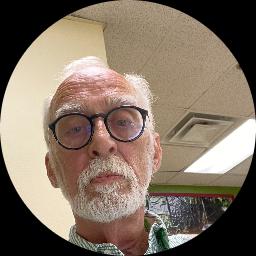
James Sanders, LMFT
California · 5 years in practice
James Sanders is a licensed Marriage and Family Therapist (LMFT) based in California who uses trauma-focused methods in his work.
License and registration
- LMFT, California
- 145062 · expires February 2026
- NPI
- 1851926448 · national provider identifier
- Years in practice
- 5
- Languages
- English
Details are as listed on the therapist's public professional profile. You can check the license with the issuing state board, and the NPI with the national registry.
About James
James Sanders is a licensed Marriage and Family Therapist (LMFT) based in California who uses trauma-focused methods in his work. He combines practical therapies with a straightforward, respectful approach. He speaks English and has five years of clinical experience.
He aims to help people who are struggling with addiction, relationship stress, intimacy concerns, and trauma-related problems. He often uses EMDR alongside trauma-focused therapy to address distressing memories and reactions. He also draws on Cognitive Behavioral Therapy (CBT) and Acceptance and Commitment Therapy (ACT) to help people change unhelpful patterns and reconnect with their values.
Background and approach
Sessions focus on clear steps and skills that can be used between meetings. Clients can expect direct conversation about what is causing pain and gradual work toward manageable changes. James emphasizes collaboration - clients and therapist plan goals together and adjust as needed.
He pays attention to feelings like shame, guilt, and abandonment and works to reduce their impact on daily life. Practical concerns such as drug and alcohol addiction, mood and personality struggles, and social anxiety are part of his caseload. He also addresses sexual and intimacy-related issues and attachment difficulties.
In-session, he balances evidence-based tools with a calm, respectful tone. For people who want remote care, he offers video calls, phone sessions, live chat, and text messaging. Getting started requires a short matching questionnaire and scheduling a session through the site.
Focus areas and approaches
Everything James lists on their public professional profile, in their own terms.
- Addictions
- LGBT
- Relationship issues
- Trauma and abuse
- Intimacy-related issues
- Abandonment
- Attachment issues
- Codependency
- Coping with natural or human-caused disaster
- Drug and alcohol addiction
- Guilt and shame
- Mood disorders
- Personality disorders
- Post-traumatic stress
- Sexuality
- Social anxiety and phobia
Approaches James names
- Eye Movement Desensitization and Reprocessing (EMDR)
- Acceptance and Commitment Therapy (ACT)
- Cognitive Behavioral Therapy (CBT)
- Trauma-Focused Therapy
Naming an approach is not evidence of training in it. This directory copies what each therapist lists and does not check training records.
Online support
How EMDR, CBT, and ACT work online
James uses EMDR to help people process distressing memories and reduce their hold on daily life; online sessions follow a clear, step-by-step process to work through upsetting images and sensations. Cognitive Behavioral Therapy, or CBT, focuses on identifying unhelpful thoughts and testing them with practical experiments to change behavior and mood. Acceptance and Commitment Therapy, ACT, helps people clarify what matters to them and take small steps in that direction while learning to accept difficult feelings.Choosing the right approach is a team effort. The therapist will talk with each person about goals, symptoms, and preferences, and then recommend starting points. That plan can change as progress is made so the work stays aligned with what the person finds helpful.
Online therapy offers flexible ways to connect. Video calls allow face-to-face conversation and visual cues. Phone sessions need less bandwidth and can be easier for short check-ins. Live chat and text messaging let people send notes between sessions or use shorter, more frequent check-ins. These options make it easier to fit therapy into work, school, or busy family routines while maintaining continuity of care.
We will earn a commission if you sign up through our link, at no cost to you. It does not change what you pay or the order of the listings.
Questions people ask
What concerns does he help with?
He works with addictions, trauma and abuse, relationship and intimacy-related issues, and LGBTQ matters. Additional focus areas include mood and personality disorders, post-traumatic stress, and social anxiety.
What is his therapeutic style?
His approach is practical and collaborative, using trauma-focused work alongside CBT and ACT. He aims to teach skills and reduce distress from painful memories and patterns.
How much clinical experience does he have?
He has five years of professional experience working with people facing addiction, trauma, and relationship challenges.
What are his credentials and where is he located?
He is a licensed Marriage and Family Therapist, LMFT, practicing in California.
Can I work with him if I live outside the United States?
Sessions are offered in English and he is not accepting international clients at this time.
Which session formats does he offer?
He offers video calls, phone sessions, live chat, and text-based messaging to fit different needs and schedules.
How is cost handled?
Cost varies with location and therapist availability; sessions use a subscription model that can be canceled at any time.
How do I begin working with him?
Start by selecting the Start Therapy button, complete a short matching questionnaire, and then schedule a session according to therapist availability.
More therapists in California
See allKatherine Eldean
LMFT
Experienced therapist guiding practical change
- Stress, Anxiety
- Addictions
- Relationship
Menachem Stulberger
LMFT
Compassionate therapist combining practical strategies
- Stress, Anxiety
- Family
- Parenting

Dr. Monica Kelson
CA Psychologist
Calm, experienced psychologist focused on trauma care
- Stress, Anxiety
- Trauma and abuse
- Self esteem

Is this your profile?
Ask us to correct details or take the page down.
Contact us